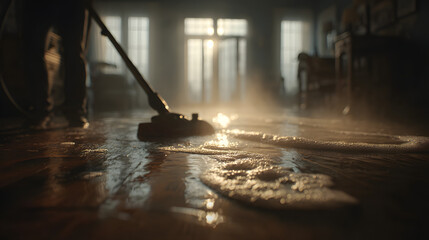
Water damage is one of the most stressful and disruptive issues a homeowner or property owner can experience. Whether caused by a burst pipe, appliance failure, roof leak, flooding, or sewage backup, water damage can spread quickly and cause serious structural, financial, and health problems. In addition to restoring the property, many people must also navigate the insurance claims process, which can feel confusing and overwhelming during an already difficult time.
Understanding how Water Damage Restoration Salt Lake City works and how it connects to insurance claims can make the process smoother, faster, and far less stressful.
Understanding What Water Damage Restoration Involves
Water damage restoration is the professional process of cleaning, drying, repairing, and restoring a property after unwanted water intrusion. It goes far beyond simply removing visible water. Water spreads into walls, flooring, insulation, furniture, and structural components, often affecting areas that cannot be seen without specialized equipment.
The goal of water damage restoration is to stop further damage, prevent mold growth, restore safety, and return the property to its pre damage condition. Restoration professionals use industrial equipment such as water extractors, air movers, and dehumidifiers to remove moisture thoroughly. They also clean and sanitize affected areas, especially when the water source is contaminated.
Restoration is time sensitive. The longer water remains, the more damage it causes. Acting quickly not only reduces repair costs but also improves the chances of insurance coverage and successful claims.
Why Immediate Action Matters for Insurance Claims
Insurance companies expect policyholders to take reasonable steps to prevent additional damage after water loss occurs. This is often referred to as the duty to mitigate damage. Delaying restoration can allow water damage to worsen, which may lead to denied or reduced claims.
Starting water damage restoration quickly demonstrates that the homeowner took appropriate action to limit damage. This includes stopping the source of water, removing standing water, and beginning drying as soon as possible. Insurance adjusters often look closely at timelines when reviewing claims, especially in cases involving mold growth or extensive secondary damage.
Quick action not only protects the property but also strengthens the insurance claim by showing responsible response.
Common Causes of Water Damage Covered by Insurance
Insurance coverage for water damage depends on the cause of the damage and the specific policy. Many standard homeowners insurance policies cover sudden and accidental water damage. This typically includes issues such as burst pipes, appliance failures, water heater leaks, or accidental overflow from plumbing systems.
Roof leaks caused by sudden storm damage may also be covered, especially if the roof was properly maintained. Some policies cover water damage from fire suppression systems or broken supply lines.
However, insurance usually does not cover water damage caused by long term neglect, slow leaks, or poor maintenance. Flood damage from natural disasters is typically excluded from standard policies and requires separate flood insurance. Understanding these distinctions is critical when filing a claim.
Types of Water Damage and How They Affect Claims
Water damage is often categorized into three types, which can affect both restoration methods and insurance coverage. Clean water damage comes from sources like broken pipes or rainwater intrusion. These claims are generally the simplest and most likely to be approved.
Gray water damage involves water that contains some contaminants, such as from washing machines or dishwashers. These claims may require additional cleaning and sanitation and are usually covered, though restoration costs may be higher.
Black water damage comes from sewage backups or floodwaters and poses serious health risks. These claims are more complex, require extensive sanitation, and are often subject to stricter policy limitations. Proper documentation and professional handling are especially important for black water claims.
The Water Damage Restoration Process Step by Step
The restoration process typically begins with an inspection and assessment. Restoration professionals evaluate the extent of damage, identify the water source, and determine which materials can be saved and which must be removed. Moisture detection tools are used to locate hidden water behind walls and under floors.
Next comes water extraction. Powerful pumps and vacuums remove standing water quickly to limit further absorption. Once visible water is removed, drying and dehumidification begin. This stage removes moisture from the air and materials, preventing mold growth and structural damage.
Cleaning and sanitizing follow, especially for contaminated water losses. Surfaces, belongings, and affected areas are treated to remove bacteria, odors, and debris. The final phase involves repairs and reconstruction, such as replacing drywall, flooring, or cabinetry, to restore the property fully.
Documenting Water Damage for Insurance Purposes
Documentation is one of the most important aspects of a successful insurance claim. As soon as it is safe, homeowners should take photos and videos of the damage before cleanup begins. This includes standing water, damaged materials, affected belongings, and visible sources of the water intrusion.
Written notes describing when the damage was discovered, what caused it, and which areas were affected can be very helpful. Keeping records of any emergency repairs, invoices, and restoration reports supports the claim and provides evidence of mitigation efforts.
Professional water damage restoration companies often assist with documentation by providing moisture readings, detailed assessments, and itemized estimates. This information is valuable when communicating with insurance adjusters.
Filing the Insurance Claim
Once the damage is documented, the insurance company should be notified as soon as possible. Most policies require prompt reporting of losses. When filing the claim, homeowners provide details about the cause of damage, when it occurred, and the extent of the loss.
An insurance adjuster is typically assigned to inspect the property and review the claim. The adjuster evaluates coverage, determines the scope of approved repairs, and calculates the settlement amount. Clear communication and accurate documentation during this stage help prevent misunderstandings or delays.
It is important to understand that the adjuster works for the insurance company. While many adjusters are fair and professional, homeowners should review estimates carefully and ask questions if something seems unclear or incomplete.
How Restoration Companies Work With Insurance
Many professional water damage restoration companies work directly with insurance providers. They understand insurance terminology, documentation requirements, and claim processes. This experience can make a significant difference in how smoothly the claim progresses.
Restoration companies often provide detailed estimates using industry standard software accepted by insurance companies. They may communicate directly with adjusters, answer technical questions, and explain the necessity of specific restoration steps.
While homeowners are not required to use an insurance recommended contractor, working with an experienced restoration company that understands insurance claims can reduce stress and improve outcomes.
Understanding Coverage Limits and Deductibles
Insurance policies include coverage limits and deductibles that affect the final payout. The deductible is the amount the homeowner pays out of pocket before insurance coverage applies. Coverage limits cap how much the insurance company will pay for certain types of damage.
Some policies have separate limits for mold remediation, water damage, or personal property. Understanding these limits helps homeowners plan financially and avoid surprises.
Reviewing the policy carefully or asking the insurance company to explain coverage details is an important step during the claims process.
Common Reasons Water Damage Claims Are Denied
Water damage claims may be denied for several reasons. Damage caused by long term leaks, lack of maintenance, or wear and tear is commonly excluded. Delayed reporting or failure to mitigate damage can also lead to denial or reduced coverage.
Claims involving flood damage without flood insurance are another common issue. Additionally, incomplete documentation or discrepancies in the reported cause of damage may raise red flags for insurers.
Understanding these potential issues helps homeowners take proactive steps to protect their claims.
The Importance of Mold Prevention in Claims
Mold growth is a major concern in water damage cases and can complicate insurance claims. Many policies limit mold coverage or exclude it altogether if it results from delayed action.
Prompt water removal and drying are the best defenses against mold. Starting restoration quickly not only protects health but also reduces the risk of claim disputes related to mold damage.
Professional restoration companies focus heavily on moisture control and mold prevention to support both property recovery and insurance approval.
Final Thoughts on Water Damage Restoration and Insurance Claims
Water damage restoration and insurance claims are closely connected processes that require quick action, clear documentation, and informed decision making. Understanding how restoration works and what insurance companies expect empowers homeowners to respond effectively during a stressful situation.
By acting quickly, working with experienced restoration professionals, and maintaining open communication with insurance providers, homeowners can reduce damage, protect coverage, and restore their property more efficiently. While water damage is never convenient, knowing how restoration and insurance claims work together makes recovery more manageable and far less overwhelming.